
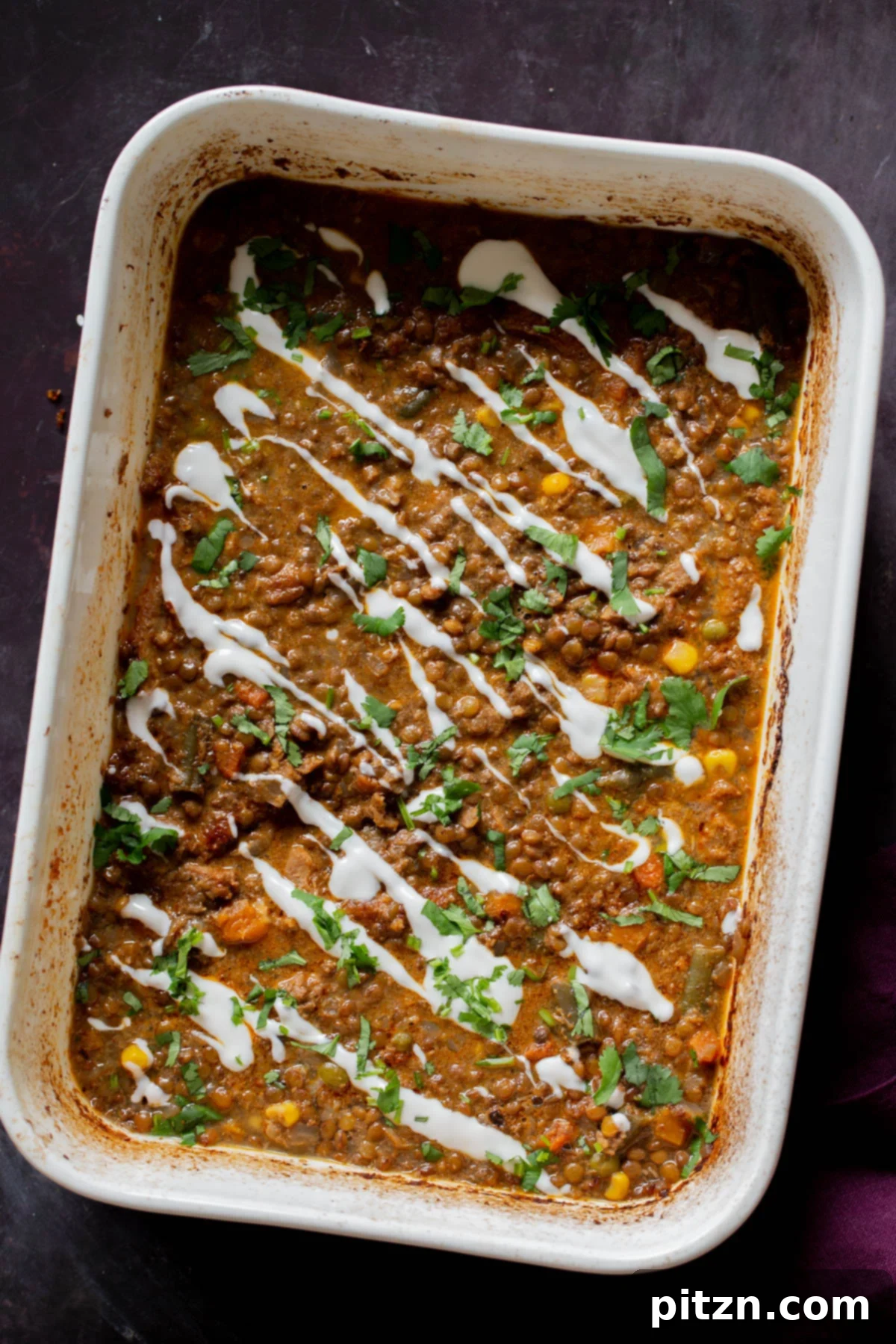
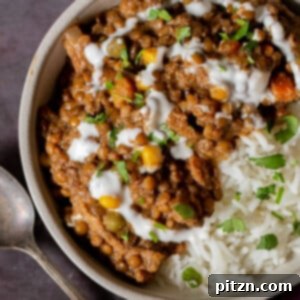
Embark on a culinary journey to the vibrant Konkan coast of Western India with this exquisite Konkani Dal Casserole. This rich, flavorful, and incredibly easy-to-make curry is a true testament to the region’s diverse and aromatic cuisine. Packed with wholesome protein from tender lentils (dal) and toothsome soy curls, this dish bakes effortlessly in a sumptuous curry sauce. Each spoonful offers a harmonious blend of traditional Konkani spices like earthy cumin, fragrant coriander, vibrant Kashmiri chili, warm cinnamon, pungent black pepper, and creamy coconut, creating an unforgettable dining experience. Designed for convenience, this gluten-free and dairy-free masterpiece comes together in just two simple steps, making it the perfect one-pan casserole for busy weeknights or impressive gatherings.
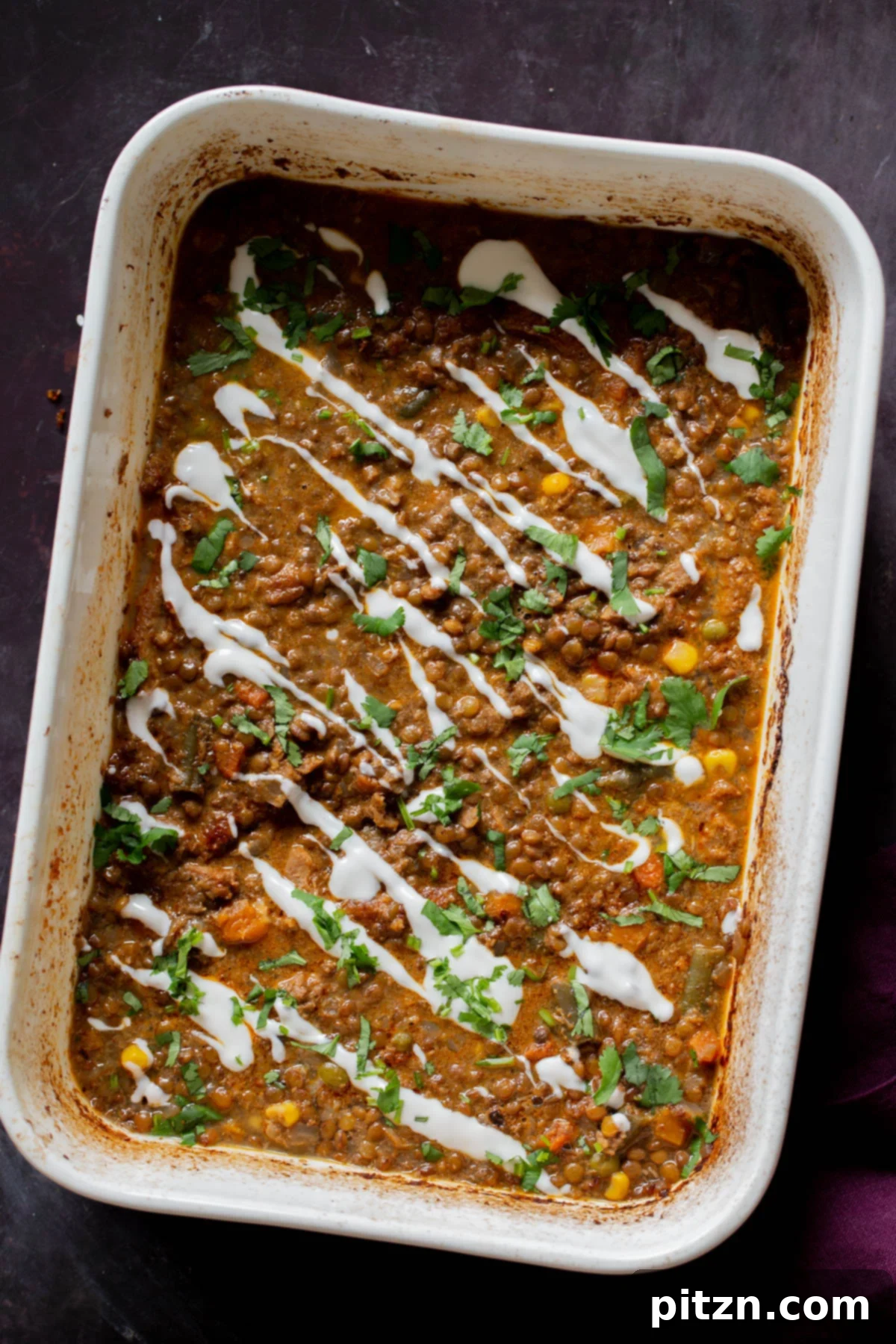
Table of Contents
- Unveiling Konkani Cuisine
- Why You’ll Love This Konkani Dal Casserole
- Essential Ingredients and Clever Substitutions
- Expert Tips for a Perfect Casserole
- Step-by-Step Guide: How to Make Konkani Curry Casserole
- More Indian Casserole Recipes
- Konkani Curry Dal Casserole Recipe Card
- Frequently Asked Questions
Unveiling Konkani Cuisine: A Coastal Indian Gem
Konkani cuisine hails from the picturesque coastal region of Western India, a land blessed with abundant fresh produce, aromatic spices, and a rich culinary heritage. This diverse cuisine is characterized by its distinctive flavors and unique cooking methods, often influenced by its proximity to the sea. Coconut, in various forms (fresh, grated, milk, or oil), is a staple ingredient, lending a signature richness and sweetness to many dishes. Other commonly featured spices include cumin, coriander, cloves, cinnamon, and black pepper, which together create a complex and inviting aroma. Konkani cuisine is also a mother to several beloved sub-cuisines, such as the spicy and tangy Goan cuisine, the robust Malvani cuisine, and the subtly flavored coastal Karnataka cuisine. This particular Konkani Dal Casserole draws inspiration from these rich traditions, offering an authentic taste of this vibrant culinary landscape, simplified for modern kitchens.
My journey with Konkani flavors began years ago, exploring a version of Konkani chicken masala from my early recipe developments. Over time, I’ve refined and simplified that inspiration, transforming it into this convenient two-step baked casserole. The original complexity has been distilled into a flavorful base sauce that perfectly complements hearty lentils and chewy soy curls, creating a plant-based sensation. This casserole format means less time spent stirring over the stovetop and fewer pans to wash, allowing you to enjoy the deep, layered flavors with minimal effort. While traditional Konkani cuisine might employ a broader array of spices, this recipe focuses on a core selection that still delivers an incredibly authentic and satisfying taste. Even if you’re missing a spice or two, the robust combination ensures an amazing outcome every time.
Why You’ll Love This Konkani Dal Casserole
This Konkani Dal Casserole isn’t just a meal; it’s a delightful experience waiting to happen. Here’s why it’s destined to become a staple in your recipe rotation:
- Exquisite Flavor Profile: Dive into a rich, aromatic curry sauce that perfectly marries the tender earthiness of lentils with the satisfying texture of soy curls. The blend of cumin, coriander, Kashmiri chili, cinnamon, black pepper, and creamy coconut creates an authentic Konkani taste that’s both comforting and exciting.
- Effortless One-Pan Cooking: Say goodbye to multiple pots and pans! This entire dish is prepared and baked in a single casserole dish, drastically reducing cleanup and making it ideal for busy individuals who crave homemade flavor without the fuss.
- Remarkably Simple, Just 2 Steps: This recipe simplifies Indian cooking to its core. With just two main stages of preparation before baking, you’ll be amazed at how easily you can create such a complex and delicious meal.
- Powerfully Protein-Packed: Thanks to a generous combination of lentils (dal) and soy curls, this casserole is a nutritional powerhouse. It provides a substantial amount of plant-based protein, keeping you feeling full and energized. Serve it with quinoa or whole-grain bread for an even bigger protein boost!
- Dietary-Friendly & Adaptable: Naturally gluten-free and nut-free, this recipe caters to various dietary needs. For those avoiding soy, simply swap the soy curls for more lentils or cooked chickpeas. It’s easily customizable to fit your preferences.
- Versatile & Customizable: The delicious Konkani sauce base is incredibly versatile. While perfect with lentils and soy curls, you can also experiment with other proteins like tofu or vegetables to create a unique dish tailored to your taste.
Essential Ingredients and Clever Substitutions
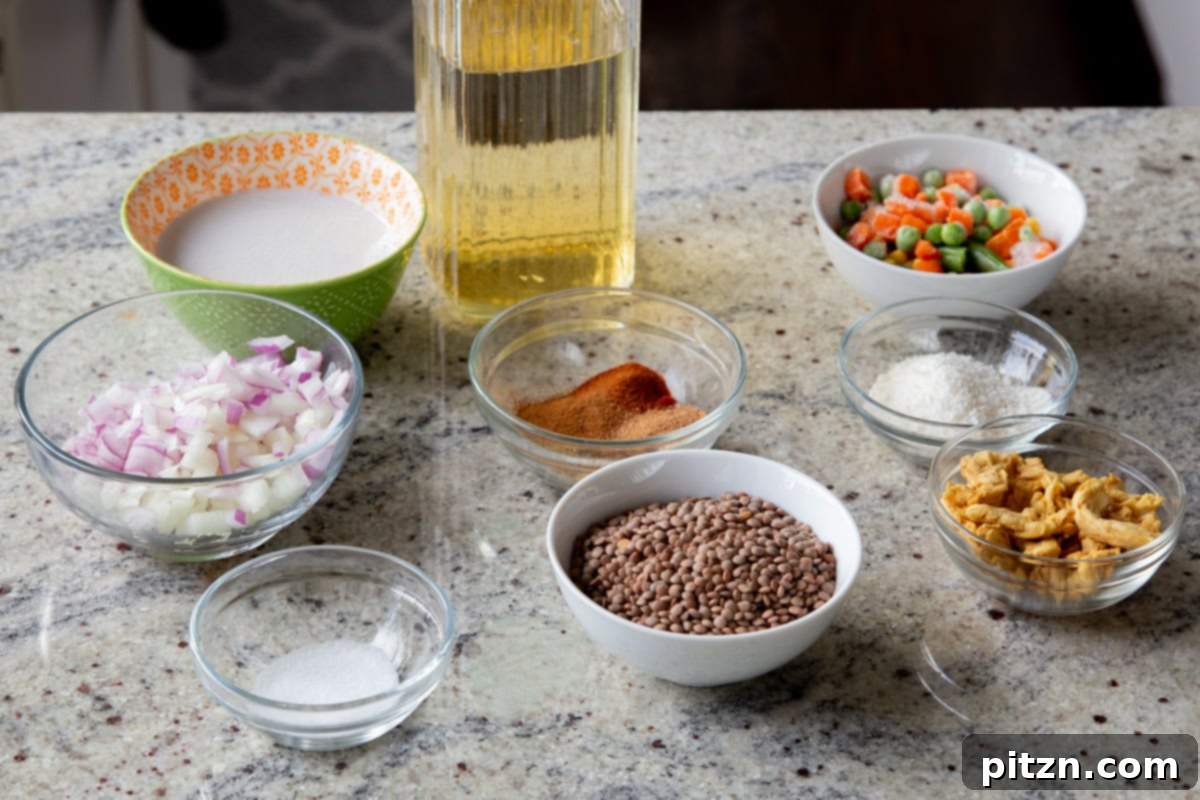
Crafting this flavorful Konkani Dal Casserole relies on a blend of simple yet potent ingredients. Here’s a breakdown of what you’ll need and how you can adapt the recipe to your pantry or dietary preferences:
- Oil: A good quality cooking oil, such as avocado oil or coconut oil, is used to grease the pan and sauté the aromatics, building the initial flavor base.
- Aromatics:
- Onion: Forms the sweet and savory foundation of the curry.
- Garlic (minced) and Ginger (minced): These provide pungent, aromatic depth. Feel free to use 1 tablespoon of pre-made garlic paste and 1 tablespoon of ginger paste for convenience.
- Konkani Spice Blend: This carefully selected array of ground spices creates the distinct Konkani flavor profile.
- Kashmiri Chili Powder: Provides a beautiful red color and mild heat. If unavailable, regular paprika can be used for color, adding a pinch of cayenne for heat if desired.
- Ground Black Pepper: Adds a sharp, warm kick.
- Ground Coriander (Sukha Dhania Powder): Offers an earthy, citrusy note.
- Ground Cumin (Jeera Powder): Brings a warm, distinctive aroma.
- Cinnamon (Dalchini Powder): Contributes a sweet, woody warmth.
- Ground Cloves (Laung Powder): Adds a strong, sweet, and aromatic flavor.
- Ground Mustard (Raee Powder): Provides a subtle piquancy.
- Ground Nutmeg (Jayphal Powder): Delivers a hint of sweet, nutty warmth, a characteristic Konkani touch.
- Shredded Coconut: Essential for that authentic Konkani creaminess and texture. Refer to the “Tips” section for preparing large flakes.
- Cilantro (Chopped, with stems): Fresh cilantro adds a bright, herbaceous note to the sauce and serves as a vibrant garnish. It’s optional but highly recommended for authentic flavor.
- Salt: Essential for seasoning. The recipe specifies “divided,” so pay attention to the instructions to ensure balanced flavor at each stage.
- Proteins:
- Dry Brown Lentils (Sabut Masoor): The heart of the “dal” in this casserole, providing hearty texture and significant plant-based protein. They cook directly in the sauce.
- Dry Soy Curls: These unique, textured soy pieces absorb the curry flavors wonderfully, adding a satisfying chewiness. If you prefer a soy-free option, simply use more dry lentils or swap for 1 cup of cooked chickpeas.
- Vegetables of Choice: A cup or more of your favorite chopped vegetables (e.g., carrots, bell peppers, green beans, spinach) can be added for extra nutrients, color, and texture.
- Liquid Base:
- Water or Vegetable Stock: Provides the necessary liquid for the lentils to cook and form the curry base.
- Coconut Milk (full-fat recommended, divided): Contributes rich creaminess and a subtle sweetness that is fundamental to Konkani cuisine. Using full-fat coconut milk yields the best texture and flavor.
- Garnishes:
- Fresh Cilantro, Lemon Juice, Pepper Flakes, Non-Dairy Cream: These finishing touches elevate the dish, adding freshness, a zesty tang, a hint of heat, and extra creaminess.
Expert Tips for a Perfect Casserole
Achieving a perfectly balanced and delicious Konkani Dal Casserole is simple with these helpful tips:
- Coconut Preparation is Key: For the best texture and integration into the sauce, use finely shredded or desiccated coconut (dry or fresh). If you only have large coconut flakes, pulse them in a blender or food processor until they resemble a coarse meal. This ensures the coconut blends smoothly into the curry, distributing its flavor evenly.
- Temperature Control for Liquids: When adding additional coconut milk or non-dairy cream at the end of cooking, ensure it is warm or at room temperature. Pouring cold liquid into a hot baking dish can cause thermal shock, potentially cracking certain types of bakeware. Warm your milk slightly before adding for safety.
- Lentil Variety Matters: This recipe calls for brown lentils (sabut masoor), which hold their shape well and provide a hearty texture when cooked. Other types of lentils may require slightly adjusted cooking times or liquid amounts. Green lentils can also work, but red lentils might become too mushy for a casserole texture.
- Don’t Skip the Browning: Baking the onions, ginger, and garlic with half the spices for the initial 15 minutes is crucial. This step allows the aromatics to soften and caramelize slightly, deepening their flavor and creating a more robust base for the curry.
- Toast the Coconut: Mixing the shredded coconut into the hot baking dish immediately after removing it from the oven for the first bake allows the residual heat to gently toast the coconut. This enhances its fragrant aroma and nutty flavor, adding another layer of complexity to the dish.
- Adjust Salt and Spices to Taste: Indian cuisine thrives on balance. Always taste your curry before serving and adjust salt levels as needed. If you desire more heat, a pinch more Kashmiri chili or a touch of cayenne can be added. For a richer flavor, a splash of lemon juice at the end can brighten everything up.
- Batch Cooking and Freezing: This casserole is fantastic for meal prepping. Cook a larger batch and divide it into individual portions for easy lunches or dinners throughout the week. It also freezes well in airtight containers for up to 3 months. Thaw overnight in the refrigerator and reheat gently.
Step-by-Step Guide: How to Make Konkani Curry Casserole
Creating this protein-packed Konkani Dal Casserole is incredibly simple, requiring minimal effort for maximum flavor. Follow these straightforward steps to prepare your delicious one-pan meal:
Step 1: Prepare the Aromatic Base and Initial Bake
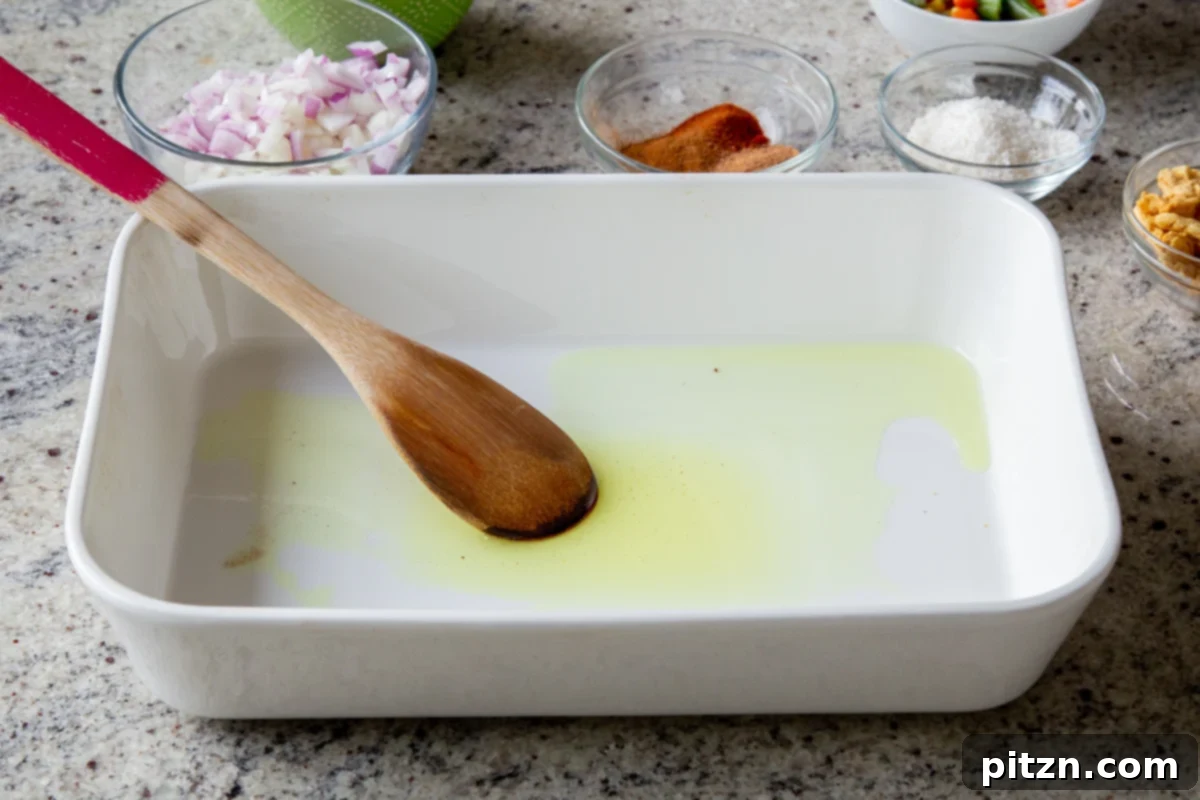
- Prepare Your Baking Dish: Start by lightly greasing a 9×13-inch (or larger) baking dish with oil. Spread the oil evenly across the bottom.
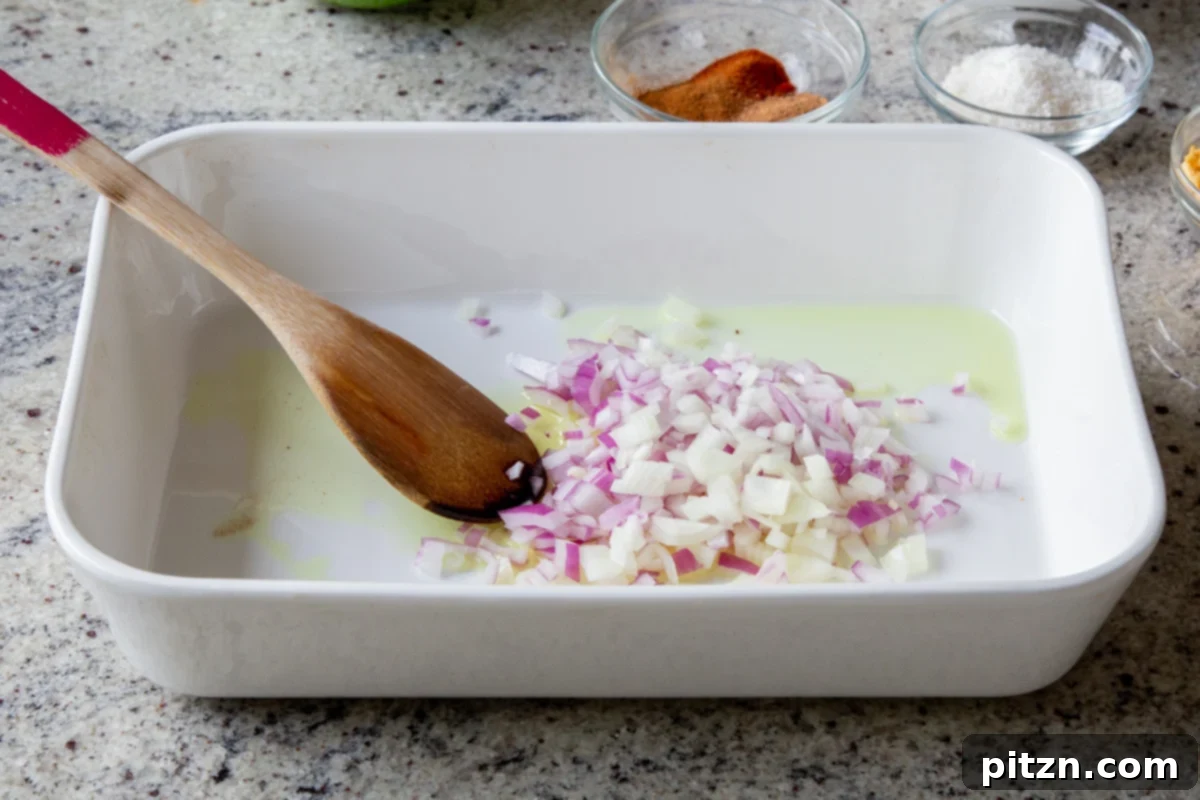
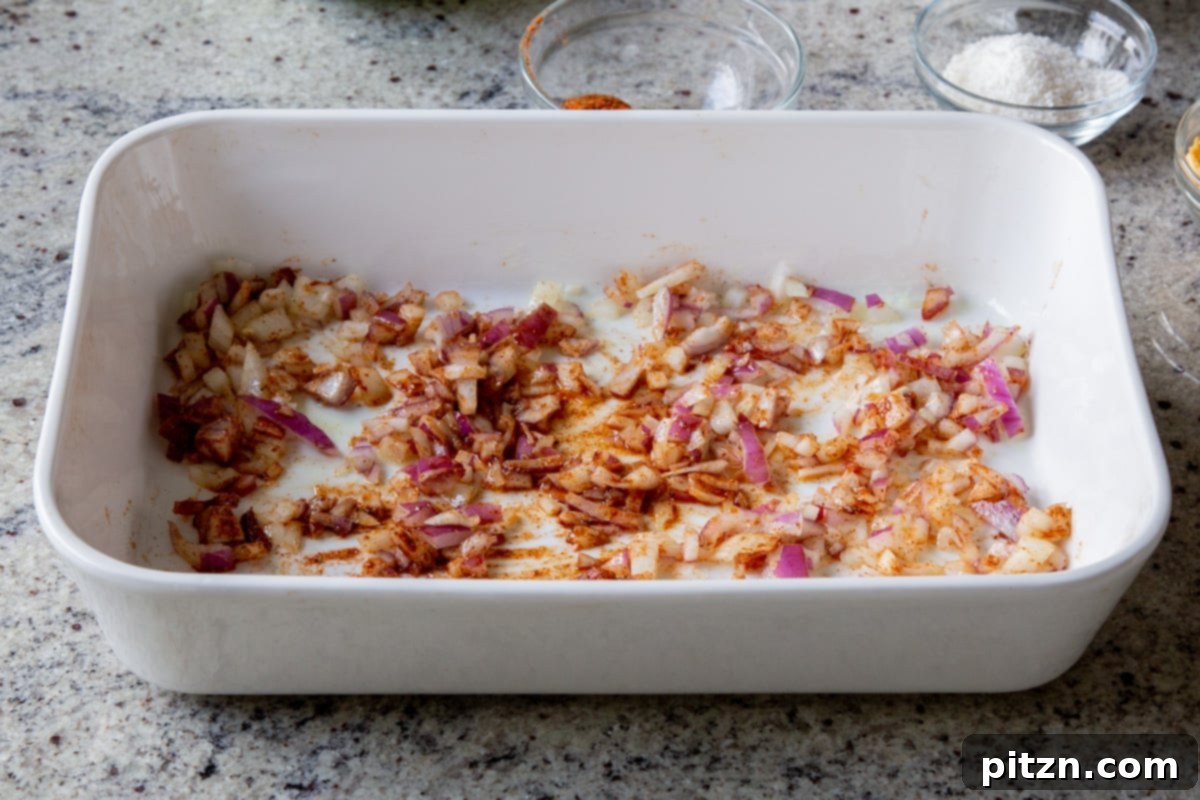
- Add Aromatics and Seasoning: Into the oiled dish, add your chopped onions, minced ginger, and minced garlic. Sprinkle a good pinch of salt over these aromatics.
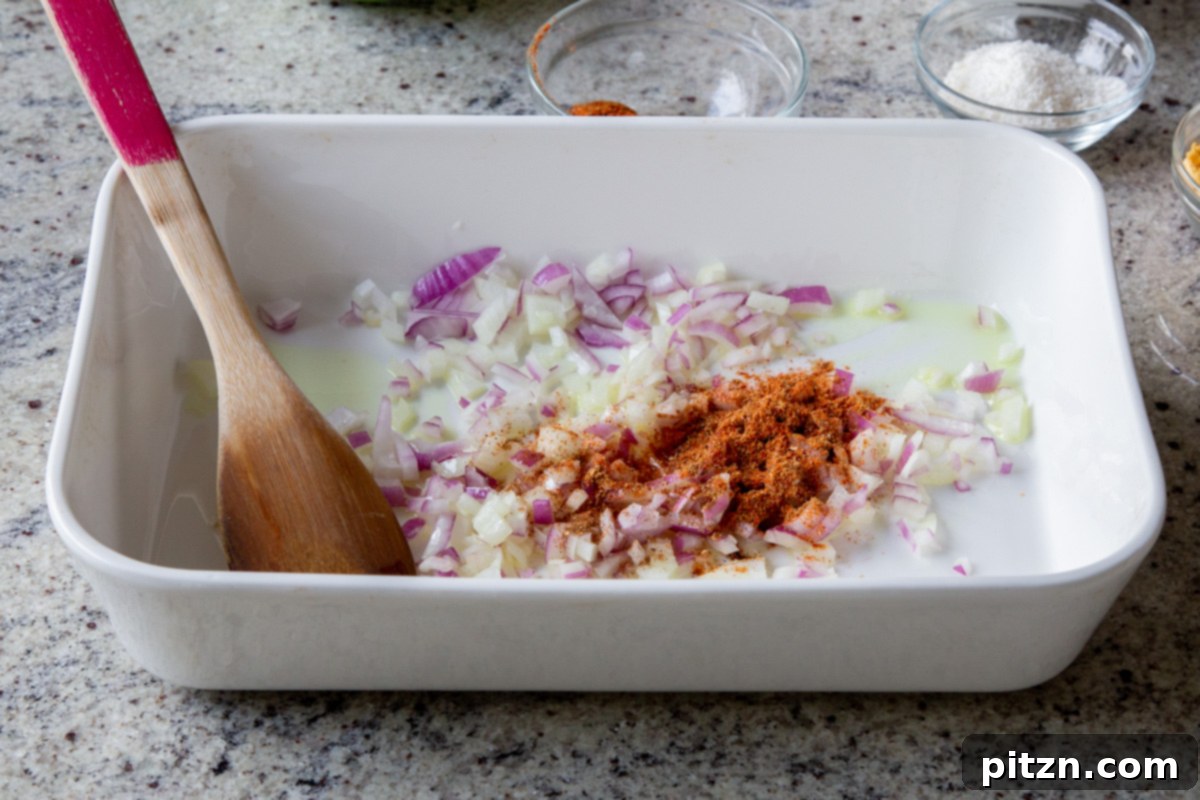
- Preheat Oven and Season Spices: Preheat your oven to 400ºF (205ºC). In a small separate bowl, combine all the dry spices listed in the recipe (Kashmiri chili powder, black pepper, coriander, cumin, cinnamon, cloves, mustard, and nutmeg). Sprinkle half of this spice mixture over the onion, ginger, and garlic in the baking dish and mix thoroughly to coat.
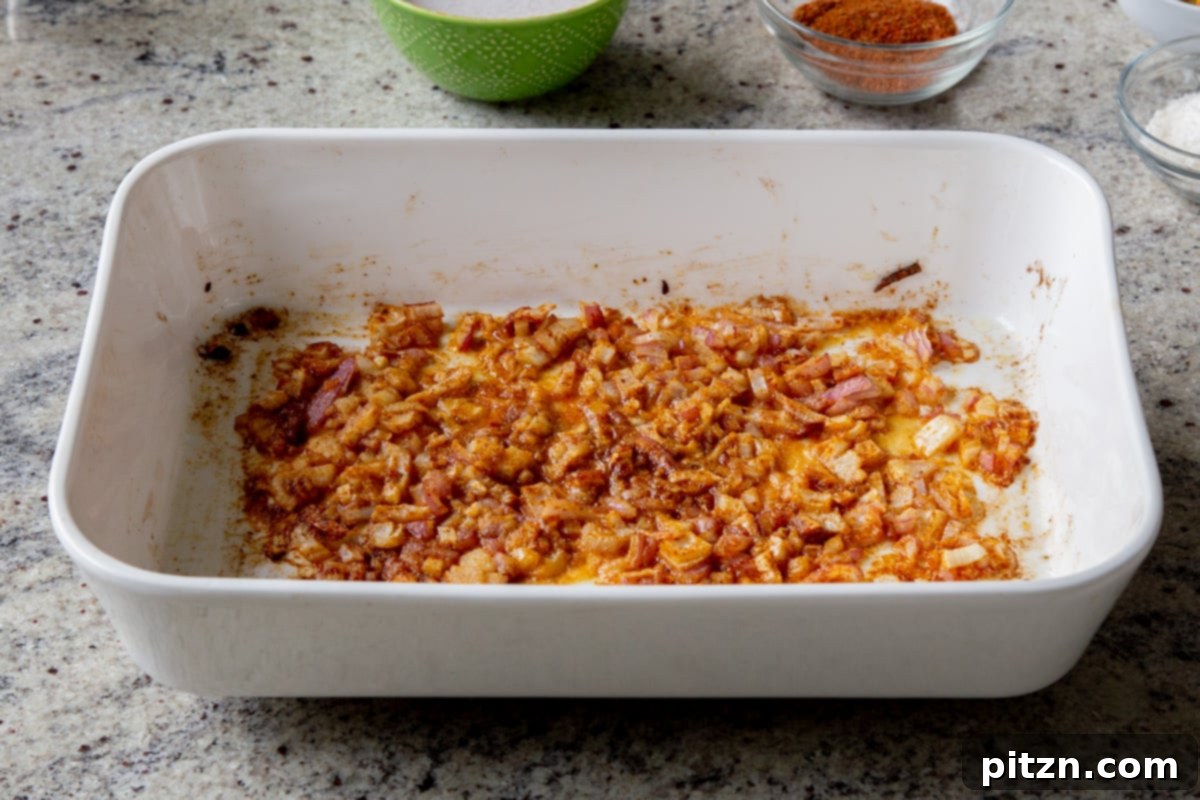
- First Bake: Place the baking dish into the preheated oven and bake for 10-15 minutes, or until the onions have softened and become translucent. This step helps to develop a deeper flavor.
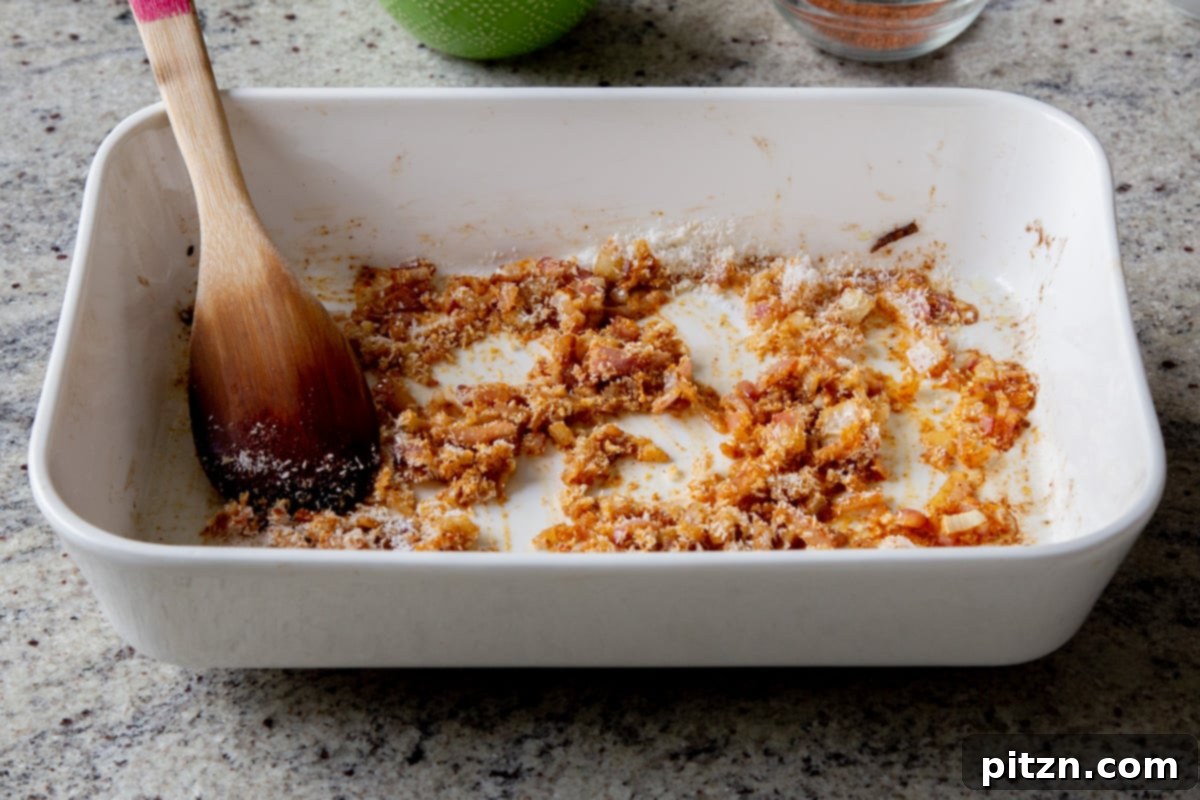
- Toast the Coconut: Carefully remove the hot baking dish from the oven. Add the shredded coconut to the dish and mix it vigorously with the hot onion mixture. Let it sit for about 1 minute; the residual heat will lightly toast the coconut, releasing its fragrant aroma.
Step 2: Combine, Bake, and Serve
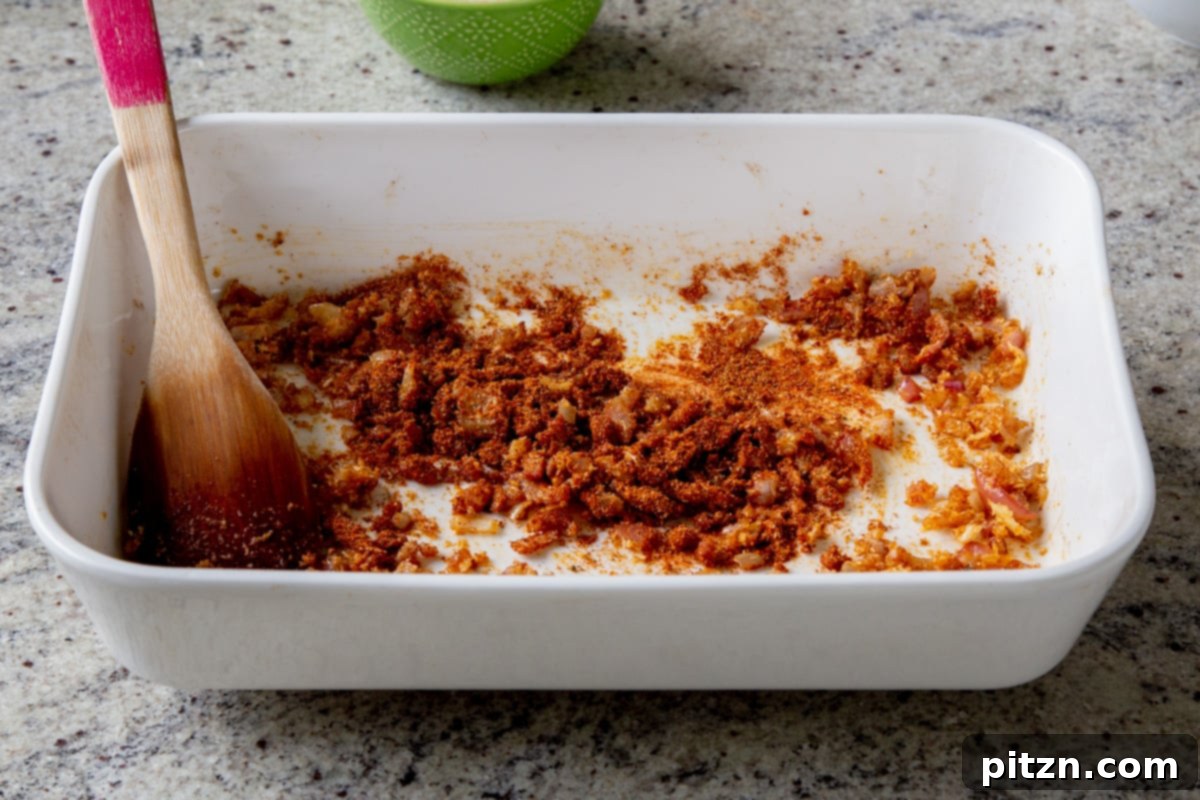
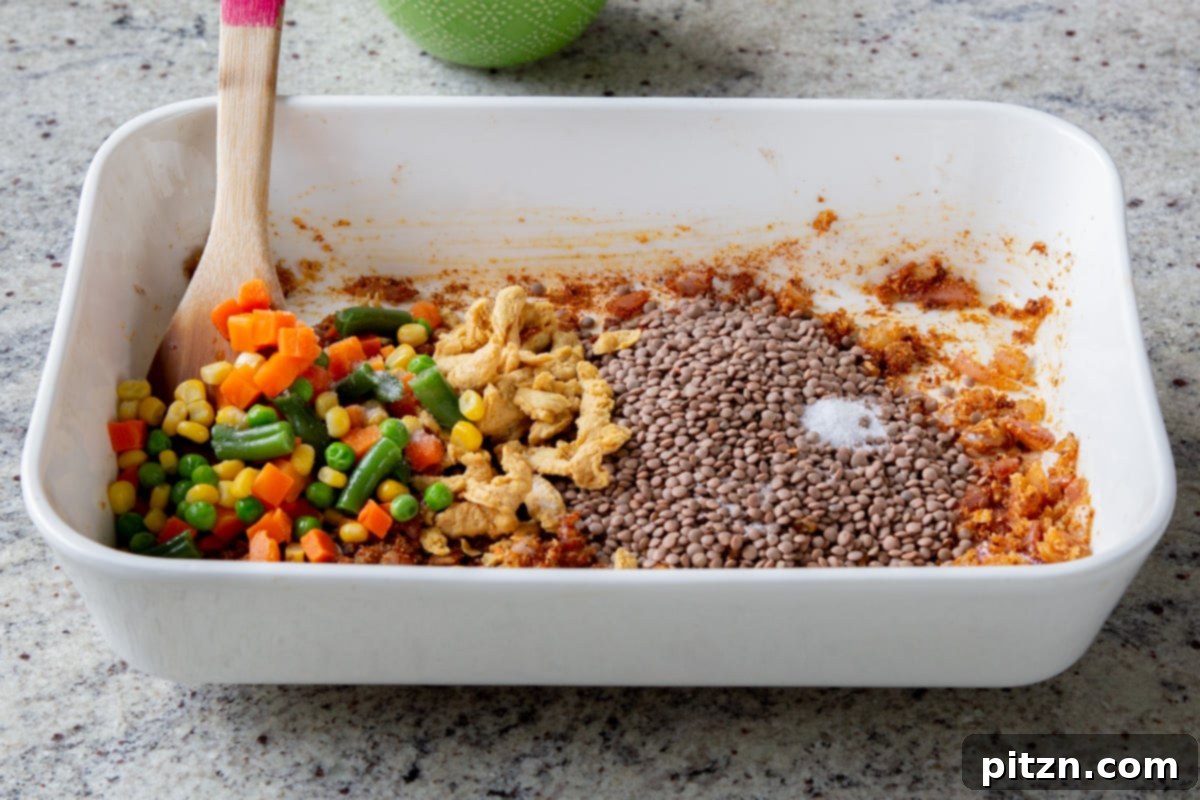
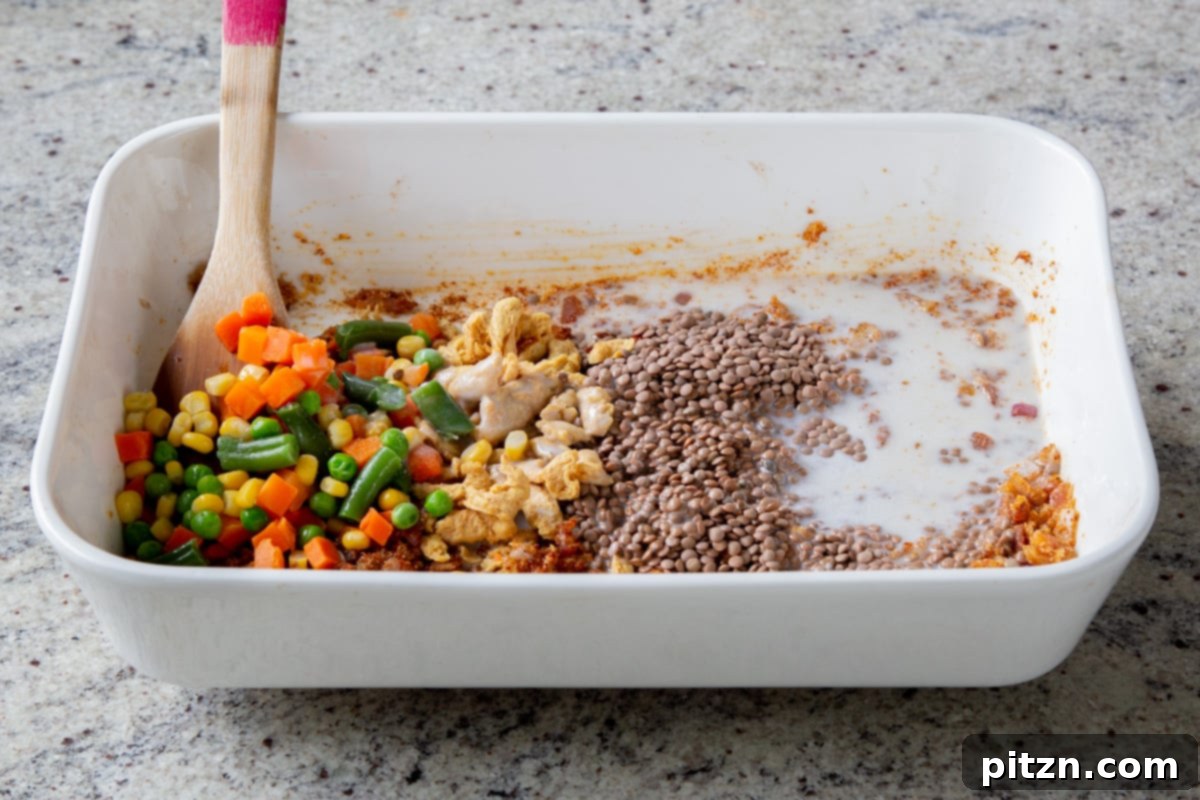
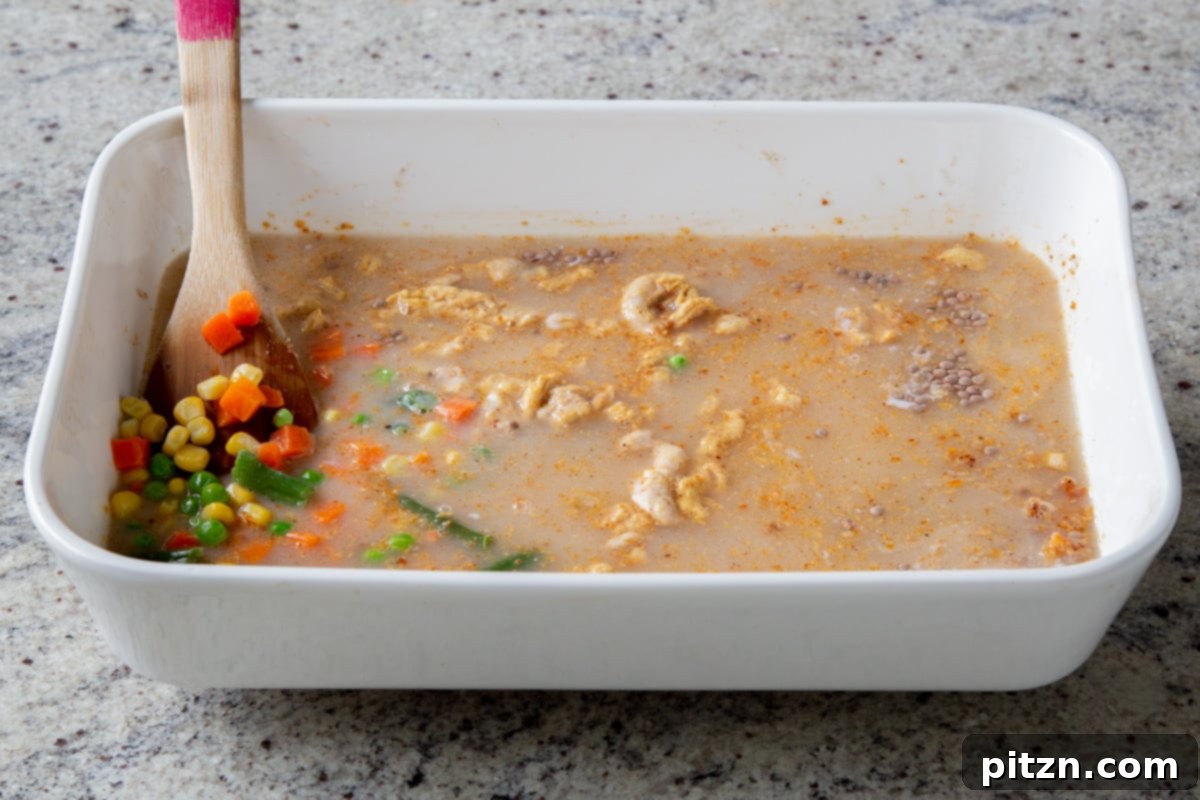
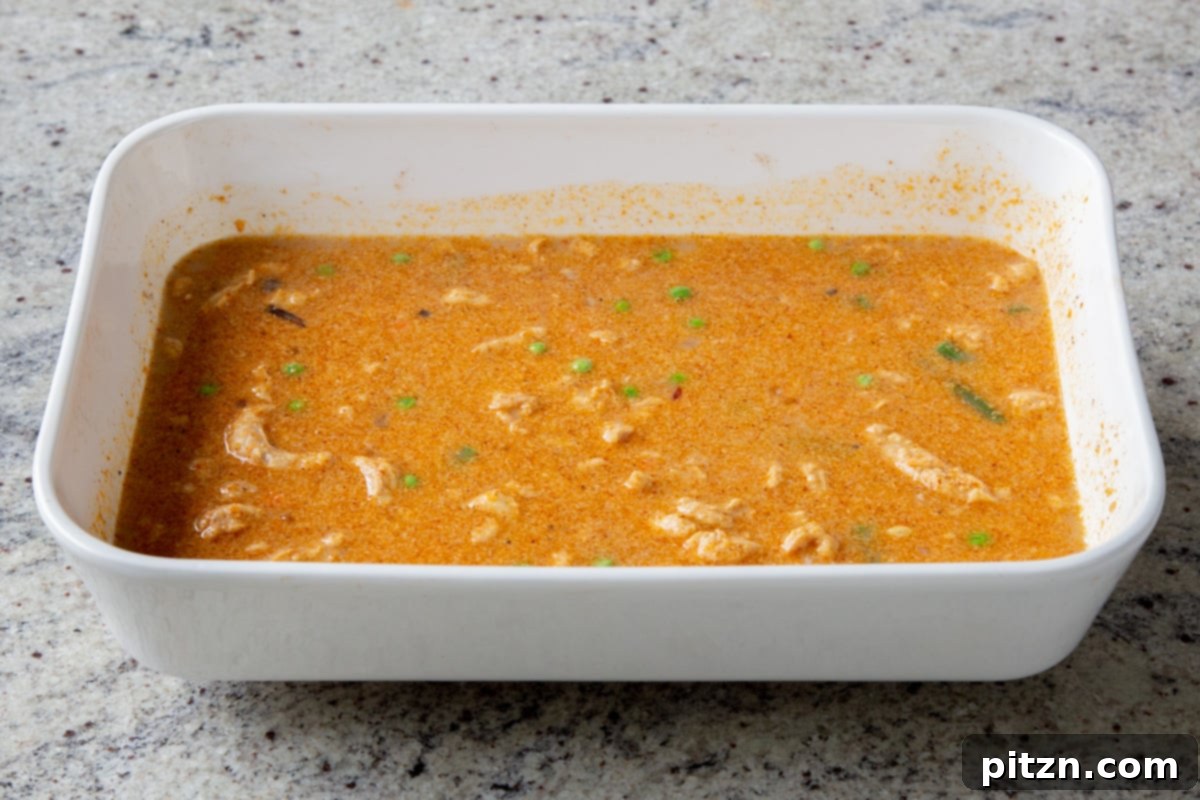
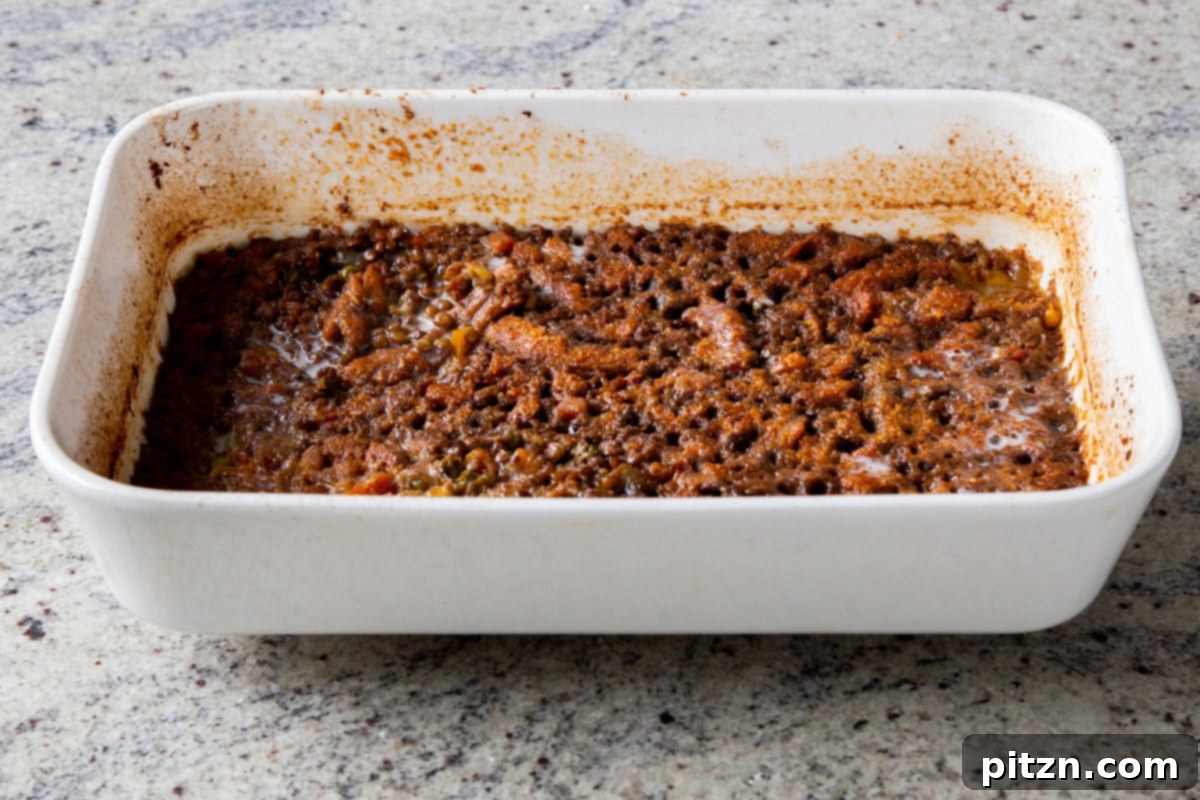
- Add Remaining Ingredients: To the baking dish, add the remaining half of the spice mixture, fresh cilantro, the rest of the salt, dry brown lentils, dry soy curls, your chosen chopped vegetables, vegetable stock or water, and 1 cup of coconut milk. Mix everything thoroughly until well combined.
- Second Bake: Even out the mixture in the dish. Cover the baking dish tightly with parchment paper (and foil on top if your dish doesn’t have a lid). Return it to the oven and bake for 40-45 minutes. The baking time for lentils can vary based on their type and age, so check for doneness around the 35-minute mark and continue baking up to 50 minutes if needed, until they reach your preferred tenderness.
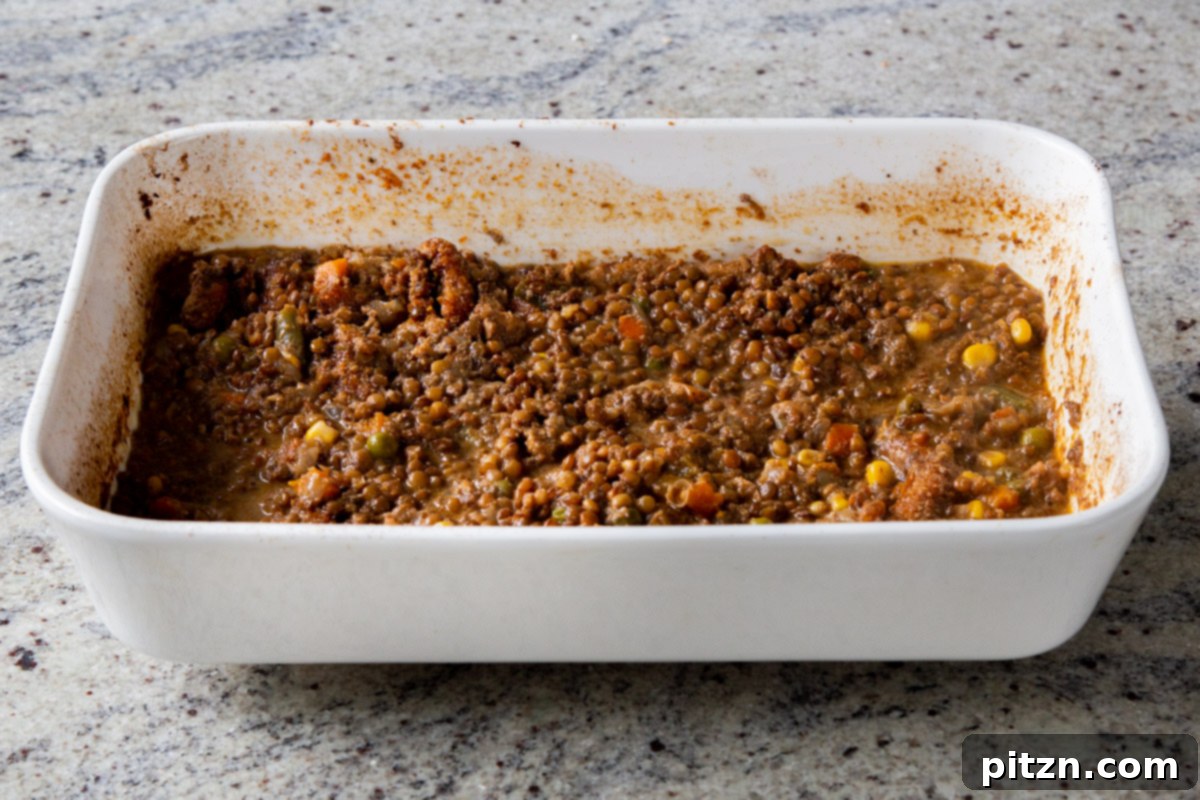
- Final Adjustments: Once the lentils are cooked to your liking, remove the baking dish from the oven. Give the casserole a good mix. Taste and adjust the salt and other flavors as needed. At this stage, the lentils and soy curls will have absorbed a lot of the liquid, so you can stir in more warm coconut milk or non-dairy cream to achieve your desired consistency and richness. Remember to use warm liquid to prevent cracking the dish.
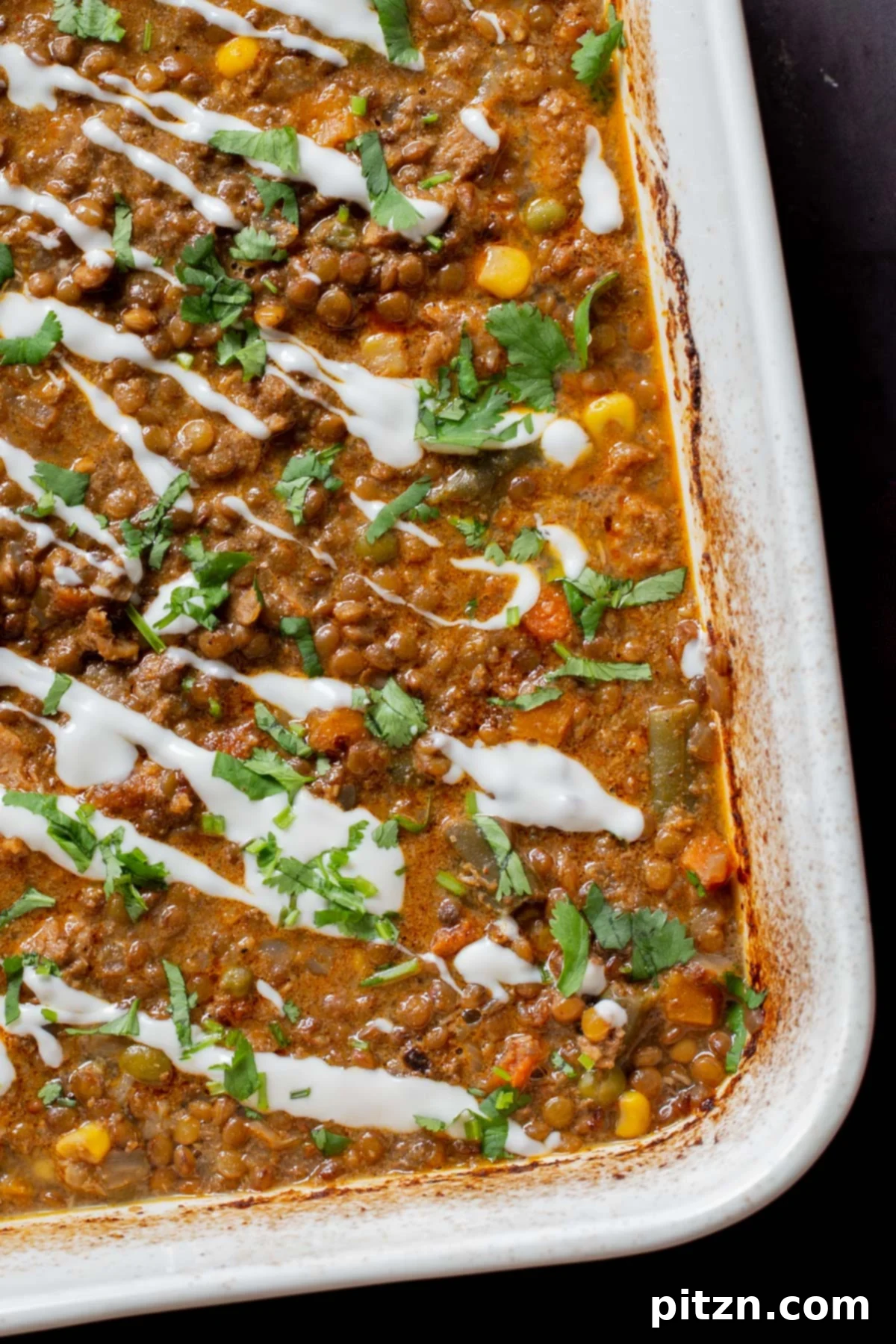
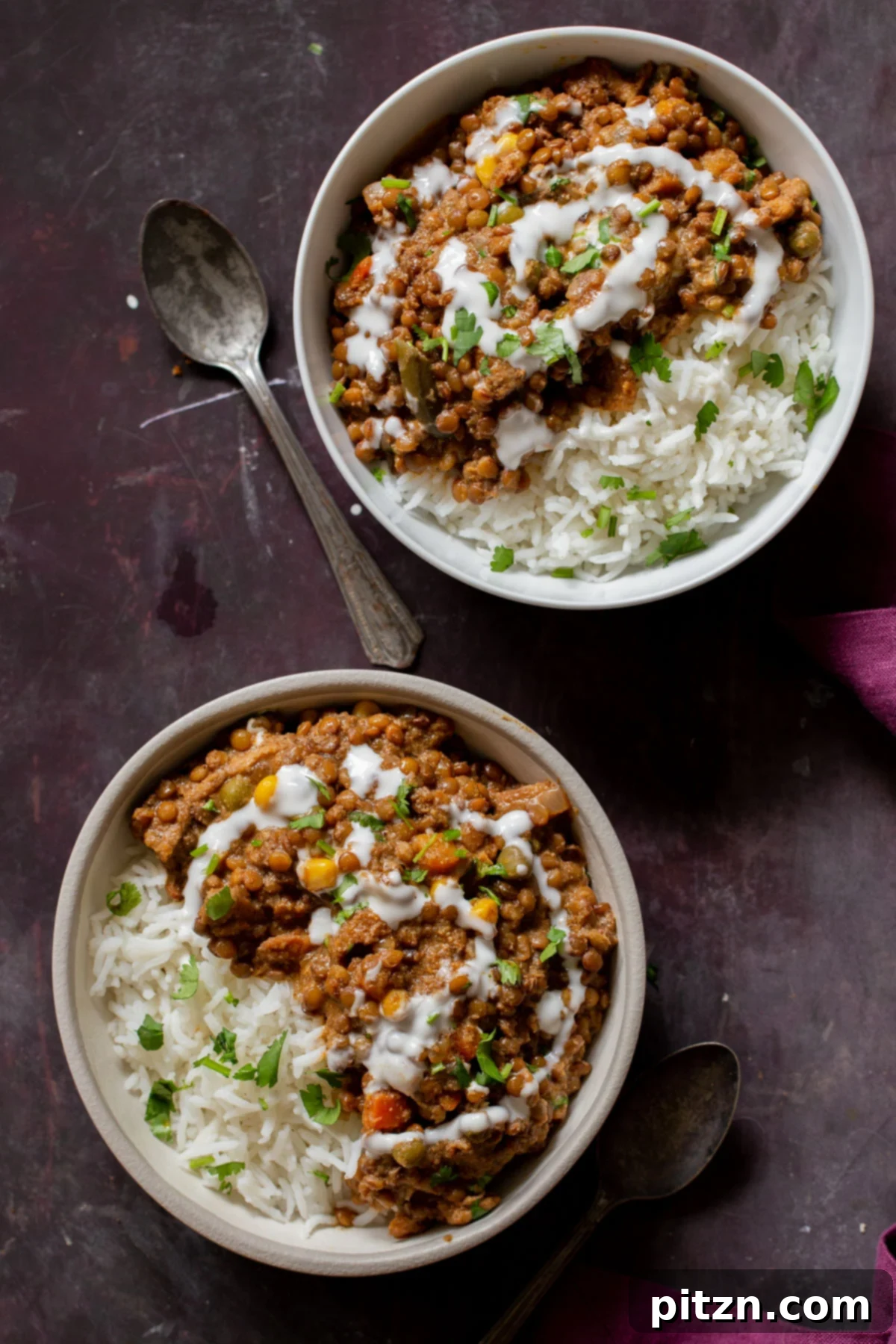
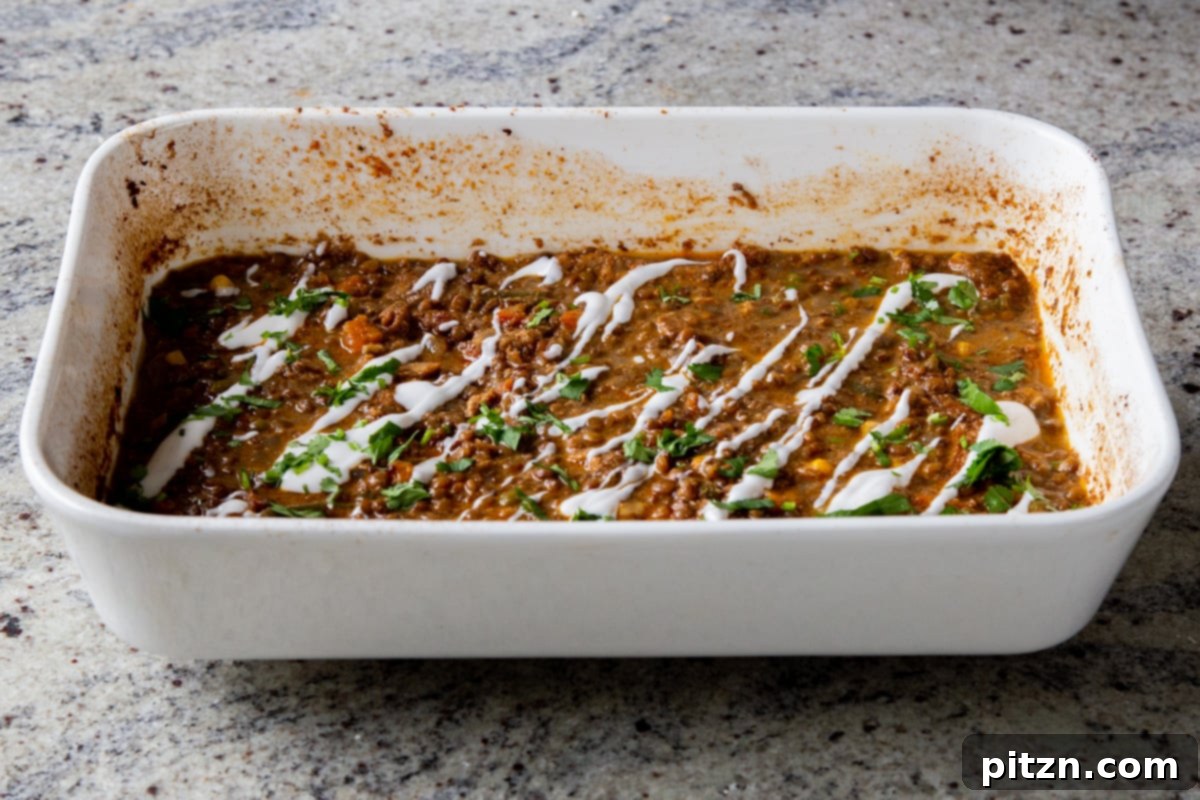
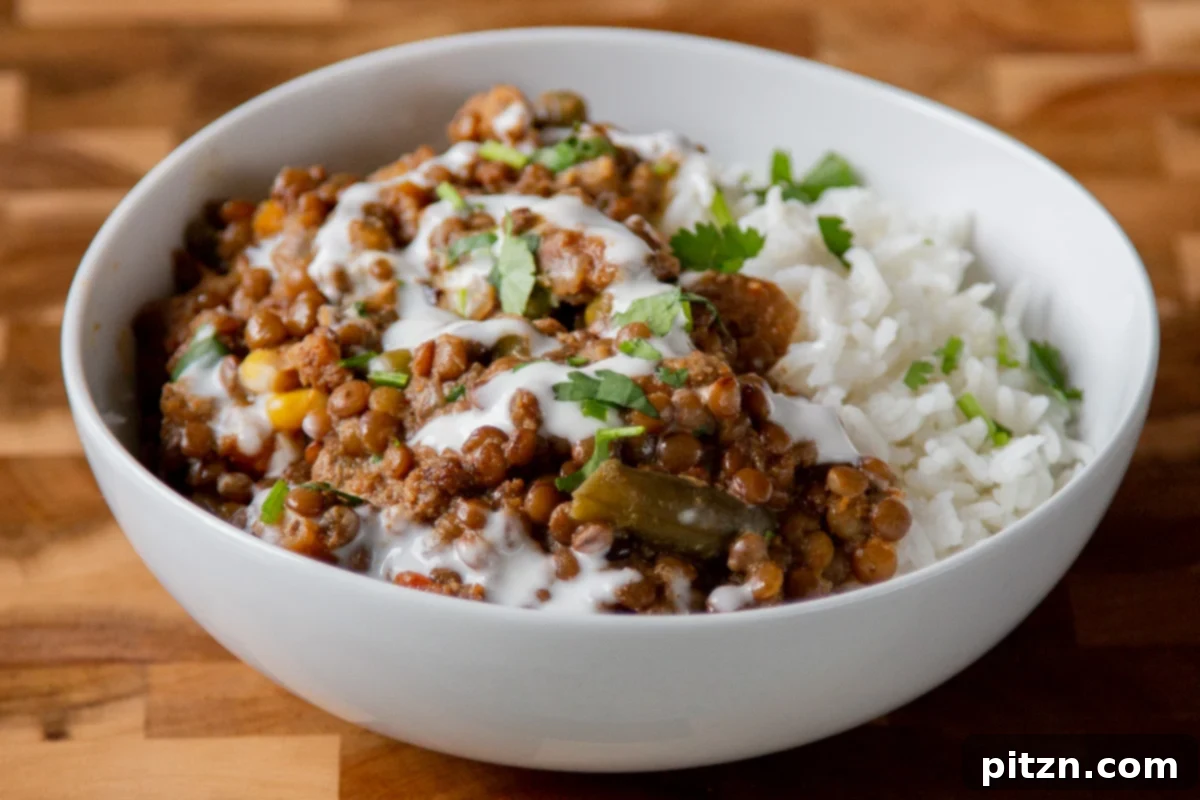
- Garnish and Serve: Garnish your Konkani Dal Casserole generously with fresh cilantro, a squeeze of lemon juice, and a sprinkle of pepper flakes for an extra kick. For added indulgence, a drizzle of non-dairy cream on top before serving is wonderful. This rich and satisfying curry pairs perfectly with warm flatbreads (like naan or roti), sourdough bread, fluffy rice, or even quinoa.
More Indian Casserole Recipes to Explore
If you love the convenience and comforting flavors of this Konkani Dal Casserole, you’ll be thrilled to discover other Indian-inspired casserole recipes that bring rich spices and hearty ingredients to your table with minimal effort. Explore these fantastic options for more delicious one-pan meals:
- Hearty Vegetable Curry Casserole
- Comforting Saag Cornbread Casserole
- Creamy Curry Lentil Casserole
- Flavorful Madras Curry Tofu Casserole
- Nourishing Baked Kitchari Casserole (Spiced Lentil Rice)
Konkani Curry Dal Casserole
Vegan Richa
15
55
1
10
4
casserole, Main
Indian
Equipment
-
Casserole Dish (9×13 inch or larger)
-
Chef’s Knife
Ingredients
- 2 teaspoons oil
- 1 cup chopped onion
- 4 cloves garlic, minced (or 1 tablespoon garlic paste)
- 1/2- inch ginger, minced (or 1 tablespoon ginger paste)
For the spices:
- 2 teaspoons Kashmiri chili powder, (or use paprika)
- 1/2 teaspoon ground black pepper
- 2 tablespoons ground coriander, (sukha dhania powder)
- 1 teaspoon ground cumin, (Jeera powder)
- 1/2 teaspoon cinnamon, (dalchini powder)
- 1/4 teaspoon ground cloves, (laung powder)
- 1/2 teaspoon ground mustard, (raee powder)
- 1/4 teaspoon ground nutmeg, (jayphal powder)
For the other sauce ingredients:
- 3 tablespoons shredded coconut, See notes for preparation.
- 1/4 cup chopped cilantro, with the stems, optional
- 3/4 teaspoon salt, divided
For the protein:
- 3/4 cup dry brown lentils, (sabut masoor)
- 2 oz dry soy curls, (or use more dry lentils or 1 cup cooked chickpeas for soy-free)
- 1 cup or more chopped vegetables of choice, (e.g., bell peppers, carrots, green beans)
For the wet ingredients:
- 3 cups water or vegetable stock
- 1.5 cups full-fat coconut milk, (or other non-dairy milk, divided)
For garnish:
- cilantro, lemon juice, pepper flakes, non-dairy cream
Instructions
-
In a 9×13-inch or larger baking dish, add the oil and spread it around. Add the onions, ginger, and garlic along with a good pinch of salt.
-
Preheat your oven to 400º F (205º C).
-
In a small bowl, combine all the spices. Sprinkle half of this spice mix onto the onion mixture in the baking dish and mix very well. Place the baking dish in the oven and bake for 10-15 minutes, or until the onions begin to turn translucent and fragrant.
-
Remove the baking dish from the oven. While it’s still hot, add the shredded coconut and mix thoroughly. Let it sit for 1 minute; the coconut will become fragrant and lightly toasted.
-
Add the reserved spices, chopped cilantro, remaining salt, dry brown lentils, dry soy curls, chopped vegetables, water or stock, and 1 cup of coconut milk to the baking dish. Mix everything really well to combine. Even out the mixture, cover the baking dish tightly with parchment paper (and foil if needed), and return it to the oven. Bake for 40-45 minutes. Cooking time can vary depending on the type and age of your lentils; they might be done anywhere from 35 to 50 minutes.
-
Once the lentils are cooked to your desired tenderness, remove the baking dish from the oven. Mix thoroughly. Taste and carefully adjust the salt and overall flavor. At this point, the lentils and soy curls will have absorbed a lot of liquid, so you may add more warm coconut milk (to prevent thermal shock and cracking of the dish) or non-dairy cream to achieve your preferred consistency.
-
Garnish with fresh cilantro, a squeeze of lemon juice, and pepper flakes. You can also drizzle some non-dairy cream on top for extra richness. Serve immediately with flatbread, garlic naan, sourdough bread, or rice.
Video
Notes
This recipe contains coconut and soy. It is naturally gluten-free and does not contain any other nuts.
To make it Soy-Free: Use more lentils or cooked chickpeas instead of soy curls. Ensure any non-dairy cream used is also soy-free.
To make it Coconut-Free: Use a different non-dairy milk (like oat or almond milk) or simply water/vegetable stock. At the end, you can fold in some non-dairy cream, cashew cream, or non-dairy yogurt for richness.
Alternative Cooking Method: Stovetop: If you prefer stovetop cooking, heat oil in a large saucepan over medium heat. Add onion, ginger, garlic, and half the spices, cooking for 8-10 minutes, stirring occasionally, until softened. Stir in the shredded coconut and roast for about a minute until fragrant. Then, add the remaining ingredients as mentioned, using about 3.5 cups of stock or water. Partially cover and simmer for 35-45 minutes, or until the lentils are cooked to your preference.
Alternative Cooking Method: Instant Pot: For an Instant Pot version, follow the first 2 steps (sautéing aromatics and toasting coconut) using the sauté mode. After the coconut is toasted, add the lentils, soy curls, and the rest of the ingredients, using approximately 2.5 cups of stock or water instead. Mix well, then pressure cook for 12-16 minutes, depending on your desired lentil texture (less time for firmer, more toothsome lentils; more time for softer, more “dal-like” lentils). Allow for natural pressure release for best results.
Nutrition (Per Serving)
Carbohydrates: 41g
Protein: 19g
Fat: 8g
Saturated Fat: 5g
Polyunsaturated Fat: 1g
Monounsaturated Fat: 2g
Sodium: 515mg
Potassium: 631mg
Fiber: 18g
Sugar: 5g
Vitamin A: 2757IU
Vitamin C: 16mg
Calcium: 124mg
Iron: 6mg
Nutrition information is automatically calculated, so should only be used as an approximation.
Did you make this recipe? Share your thoughts below!
Frequently Asked Questions (FAQs)
The Konkan coast is a geographically rich and culturally significant region along the western edge of India. Konkani cuisine is renowned for its use of fresh, local ingredients, particularly coconut, which is a staple in various forms (grated, milk, oil). It’s also characterized by its unique blend of regional spices such as cumin, coriander, cloves, cinnamon, and black pepper, often producing a balanced flavor profile that can be both subtly sweet and mildly spicy. Popular sub-cuisines like Goan and Malvani cuisine have their roots in the broader Konkan culinary tradition.
This Konkani Dal Casserole contains both coconut and soy. However, it is inherently gluten-free and does not include any other common tree nuts. For those with specific dietary needs:
- To make it Soy-Free: You can easily substitute the dry soy curls with an equal amount of additional dry lentils or 1 cup of pre-cooked chickpeas. Ensure that any non-dairy cream used for garnish is also soy-free.
- To make it Coconut-Free: Replace the coconut milk with another non-dairy milk (such as oat milk or almond milk) or simply use vegetable stock or water. For added creaminess at the end, you can stir in some non-dairy cream, a homemade cashew cream, or plain non-dairy yogurt.
Absolutely! This casserole is fantastic for meal prep. You can chop all your aromatics and vegetables the day before. The dry spice blend can also be mixed and stored in an airtight container. This allows you to assemble and bake the casserole with minimal effort on cooking day. While the entire dish is best freshly baked, leftovers are also delicious.
This recipe specifically calls for dry brown lentils (sabut masoor). These lentils hold their shape well during the baking process, providing a pleasant, hearty texture to the casserole. While other lentil varieties might work, cooking times and final texture could vary. For instance, red lentils tend to break down more easily and might result in a creamier, less distinct texture. No pre-soaking is typically required for brown lentils in this baked casserole format, as they cook directly in the flavorful sauce.
Store any leftover casserole in an airtight container in the refrigerator for up to 3-4 days. To reheat, you can portion it into microwave-safe containers and heat until warmed through, or place it back in a baking dish, cover with foil, and reheat in the oven at 350°F (175°C) until hot. If the curry seems too thick after refrigeration, you can stir in a splash of warm water or coconut milk during reheating to restore its consistency.